Sunday, December 19, 2010

::22 weeks::

Baby's growing

The baby now looks like a miniature newborn. Lips are becoming more distinct and eyes have developed; though the iris still lacks pigment, his eyebrows and eyelids are in place. His pancreas, essential for hormone production, is developing steadily and the first signs of teeth are showing beneath his gum line. Before you know it, your baby will be smiling at you.

The baby now weighs almost one pound / 430 grams, measures nearly 11 inches / just over 27 centimetres long from crown to heel, and is proportioned like a newborn, albeit a thinner version since her baby fat hasn't yet developed. Although she's getting heavier every day, her skin still appears wrinkled because she needs to gain more weight. The lips are distinct and the eyes are formed, though the iris (the coloured part of the eye) still lacks pigment. The pancreas, essential in the production of hormones, is developing steadily.

Even this early, the first signs of teeth appear in the form of tooth buds beneath the gum line. Before you know it, your baby will be born, and soon after, her first teeth will come through.

You've probably gained between 12 and 15 pounds / 5.4 and 6.8 kilograms. Starting now, you'll begin to put on weight more steadily, averaging about half a pound / 225 grams per week. You may crave certain foods and you may notice an increased (but not bloody) vaginal discharge. Both are a normal part of being pregnant.

How your life's changing

At this point, you'll probably notice a steady gain in weight - about 225g/half a pound each week. You may also notice that your appetite's increasing. It's okay to give in to an occasional yearning for Maggi mee or kuih lapis, but try to find a healthy substitute if you constantly long for junk food.

Sometimes it's difficult to look much beyond the birth but it's worth finding out about babies before you hold your own. For example, you may be surprised at what a newborn looks like or you may need a crash course in changing nappies.

Changing your baby's diapers regularly is important, as urine combined with the bacteria in faeces can make skin sore and lead to diaper rash. Expect to do it before or after every feed (except at night, when changing may disrupt her sleep), plus when she has done a poo.

Babies poo several times daily to begin with, and wee every one to three hours. It's amazing how much time we, mums, spend inspecting our baby's diapers, trying to figure out whether the frequency, colour and consistency is normal or not. But what's normal for your baby can depend on how old she is, whether she's breastfed or formula fed, and whether she's started solids. Your baby's stools will change regularly as she develops from a newborn through her first year and you'll soon be able to tell what's normal for her.

There is no set frequency for how often your baby should pass stools. In the early months this will depend on whether you are breastfeeding or formula feeding your baby. Breastfed babies who are not on solids may pass stools four times a day or more, or only once every three days, but you shouldn't worry about the frequency as long as the stools are soft and easy to pass. But formula fed babies normally need to pass a stool each day to avoid constipation.

Your baby's stools may regularly change in consistency and colour, too, going from soft and mustard-yellow to yellow with green specks, and then back again the next day. This is completely normal. Wetness doesn't bother most babies so don't expect her to cry or show discomfort every time she needs changing. Disposables absorb moisture particularly well, so you may not always be able to gauge their wetness until they're saturated. To avoid the problem, check for wetness every couple of hours (put a clean finger into the nappy).

Which diapers are better - disposable or cloth? This is one of the great debates of parenting. The basic argument in favour of cloth diapers is that they're less expensive and some people feel they cause less diaper rash. Also, disposables have plastic liners that don't decompose, while cloth diapers can be recycled, thus lessening the impact on our landfills. Millions of disposable diapers are thrown away every day. Then again, frequent laundering of cloth diapers can harm the environment, too, especially if you use bleach or non-biodegradable detergents.

It's worth thinking it through before your baby is born, but be aware that you may change your mind afterwards, so don't invest too heavily in lots of expensive diapers. Think about practical issues such as whether you have a washing machine and possibly a tumble dryer (yes, even in sunny Malaysia -- think of how little sun we can get during the haze or the monsoon season). If you opt for disposables, can you easily buy regular supplies and do you have somewhere to store them? Talk to friends with young babies and find out what choices they made. Compare prices for cloth diapers, disposables and all the accessories that go with them. You may also want to include having a second or third child in your calculations.

Even if you choose to use cloth diapers, you may find disposables useful for when travelling or for emergencies.

What should I have handy for each diaper change?

Before you change your baby, be sure you have everything you need nearby:

• A safe changing area with a hygienic, washable surface

• A clean diaper

• A bin or bag to dispose of the dirty diaper

• Diaper wipes or cotton wool balls and warm water

• Diaper cream if your baby has diaper rash

• A change of clothing in case the old diaper has leaked

• A diversion - change your baby under a mobile or give her a stuffed toy to distract her attention from what you'll be doing below the waist.

Once you've got the hang of it, diaper changing will become second nature, and you will have plenty of opportunity to practice, since your baby will need eight to 10 diaper changes a day to begin with. But those first few changes can be challenging.

You may also have noticed some changes down below. It's common in pregnancy to have an increased vaginal discharge as the result of increased blood flow in that part of the body. Needing to go to the loo a lot is another side-effect of pregnancy but don't forget that you are also more susceptible to urinary tract infections too - see your doctor if you suspect a bout of cystitis. You may also experience bleeding from the back passage, particularly if you have developed haemorrhoids.

• Note: Experts say every baby develops differently - even in uterus. These foetal development pages are designed to give a general idea of how a foetus grows in the womb.

Tuesday, December 14, 2010

::21 weeks::

The foetus now weighs about three-quarters of a pound / 360 grams. Up until now she has been measured from crown to rump but from this point on the measurement will be from crown to heel. And from crown to heel she is approximately 10.5 inches / 27 centimetres long. The eyebrows and eyelids are fully developed and the fingernails cover the fingertips.

Your baby can now hear your conversations. If you talk, read or sing to your baby, expect her to hear you. Some studies have found that newborns will suck more vigorously when read to from a book they heard frequently in utero. If you want to try, pick a book now and read it out loud. Make sure you won't mind reading it over and over once the baby is here. It may be your baby's favourite bedtime story for a long time after birth.

You're probably feeling quite comfortable these days. This, in fact, may be the most enjoyable time in your pregnancy. You're not too big yet, and the usual aches and pains associated with pregnancy like nausea, frequent urination and fatigue are for the most part gone. Relax and enjoy while you can. The third trimester is just around the corner and with it comes some mild discomfort from carrying a baby that is nearly full-term.

• Note: Experts say every baby develops differently - even in utero. These foetal development pages are designed to give a general idea of how a foetus grows in the womb.


It's hard to be graceful when you're pregnant so don't be surprised if you find yourself getting clumsier these days. You're carrying more weight, your centre of gravity has changed with your growing uterus, and your fingers, toes, and other joints are all loosening, thanks to the effect of pregnancy hormones. Try to watch where you're going, and if you haven't already done so, say goodbye to high heels. They make keeping your balance more difficult, and can cause backaches.

Just how much weight you will gain by the end of pregnancy may be preying on your mind. Doctors are much more relaxed about weight gain in pregnancy now. Take the same approach and give yourself a break. It's also best not to worry immediately about losing weight after you've had your baby as your body can take anything from a few months to a year to recover nutrients used up during pregnancy.

Do see your doctor, however, if your weight is soaring or plummeting. Your doctor will usually check to see if your bump is measuring about right for your dates. If you are large-for-dates further investigations can be arranged to find out why.

A quick remedy I've found for swollen feet is to wrap them in a cold wet cloth before I put them up.

Monday, December 13, 2010

All About Calcium

Calcium is one of the many minerals that you need to be healthy. Calcium is very important to ensure strong, healthy bones and teeth. It also helps muscles and nerves to work properly. In addition, calcium may help you to manage your weight and blood pressure, and play a role in preventing colon cancer.

Calcium is the main component of bones and teeth. It is essential for growth in children, and helps to ensure efficient muscle contraction and blood clotting. It is also useful for lower blood pressure. Our bodies use calcium to help our heart, muscles and nerves work properly. Our bodies cannot make calcium it self so, we must get it from the foods we take. When we eat calcium rich food the calcium enters our blood and is carried to the organs to perform the work that is needed. The extra calcium we eat is stored in our bones & when there is deficiency of calcium from food, the body will take the calcium from our bones to meet its needs.


Milk and dairy products are among the major sources of calcium. Milk is one of the best providers of calcium in the diet. A 200ml glass of milk provides 55 per cent of the calcium to a six-year-old child. Cheeses and yogurts are also good sources of calcium and according to The Dairy Council- three dairy products a day are recommended to meet the daily requirement. People in the age group of 19-50 are recommended to consume about 1,000 mg of calcium per day, while for people in 50s; it should be approximately about 1200 mg per day.

Other then milk & dairy products there are several other types of non-dairy sources of calcium that you can opt as to ensure your daily calcium intake. The soft bones of fish, as with sardines, pilchards and tinned salmon, provide us with valuable calcium. Other useful sources include Soya bean products, such as tofu, as well as sesame seeds, nuts, white bread, dried fruit, pulses and green leafy vegetables. Okra and curly kale are also rich vegetable sources of calcium. Soya milk alternatives, bottled water, breakfast cereals and orange juice are also fortified with extra calcium.

Non-Dairy Food Source of Calcium

Food, Standard Amount

Calcium (mg)

Calories

Fortified ready-to-eat cereals (various), 1 oz

236-1043

88-106

Soy beverage, calcium fortified, 1 cup

368

98

Sardines, Atlantic, in oil, drained, 3 oz

325

177

Tofu, firm, prepared with nigarib , ½ cup

253

88

Pink salmon, canned, with bone, 3 oz

181

118

Collards, cooked from frozen, ½ cup

178

31

Molasses, blackstrap, 1 Tbsp

172

47

Spinach, cooked from frozen, ½ cup

146

30

Soybeans, green, cooked, ½ cup

130

127

Turnip greens, cooked from frozen, ½ cup

124

24

Ocean perch, Atlantic, cooked, 3 oz

116

103

Oatmeal, plain and flavored, instant, fortified, 1 packet prepared

99-110

97-157

Cowpeas, cooked, ½ cup

106

80

White beans, canned, ½ cup

96

153

Kale, cooked from frozen, ½ cup

90

20

Okra, cooked from frozen, ½ cup

88

26

Soybeans, mature, cooked, ½ cup

88

149

Blue crab, canned, 3 oz

86

84

Beet greens, cooked from fresh, ½ cup

82

19

Pak-choi, Chinese cabbage, cooked from fresh, ½ cup

79

10

Clams, canned, 3 oz

78

126

Dandelion greens, cooked from fresh, ½ cup

74

17

Rainbow trout, farmed, cooked, 3 oz

73

144


Dairy Food Source of Calcium

Food, Standard Amount

Calcium (mg)

Calories

Plain yogurt, non-fat (13 g protein/8 oz), 8-oz container

452

127

Romano cheese, 1.5 oz

452

165

Pasteurized process Swiss cheese, 2 oz

438

190

Plain yogurt, low-fat (12 g protein/8 oz), 8-oz container

415

143

Fruit yogurt, low-fat (10 g protein/8 oz), 8-oz container

345

232

Swiss cheese, 1.5 oz

336

162

Ricotta cheese, part skim, ½ cup

335

170

Pasteurized process American cheese food, 2 oz

323

188

Provolone cheese, 1.5 oz

321

150

Mozzarella cheese, part-skim, 1.5 oz

311

129

Cheddar cheese, 1.5 oz

307

171

Fat-free (skim) milk, 1 cup

306

83

Muenster cheese, 1.5 oz

305

156

1% low-fat milk, 1 cup

290

102

Low-fat chocolate milk (1%), 1 cup

288

158

2% reduced fat milk, 1 cup

285

122

Reduced fat chocolate milk (2%), 1 cup

285

180

Buttermilk, low-fat, 1 cup

284

98

Chocolate milk, 1 cup

280

208

Whole milk, 1 cup

276

146

Yogurt, plain, whole milk (8 g protein/8 oz), 8-oz container

275

138

Ricotta cheese, whole milk, ½ cup

255

214

Blue cheese, 1.5 oz

225

150

Mozzarella cheese, whole milk, 1.5 oz

215

128

Feta cheese, 1.5 oz

210

113


No matter what age a woman is when she becomes pregnant, calcium is very important to both the mother and the baby. Calcium from the mother's body is used by the developing baby, putting increased demands on the mother's supply. During pregnancy, calcium transfer from mother to developing baby reaches 270 mg daily, on average, by the third trimester. Additional calcium may be needed for both mother's and baby's health.

A recent analysis of 14 scientific studies, published in the Journal of the American Medical Association, found that women with initially who took about 1,500 mg of 2,000 mg of supplemental calcium every day while they were pregnant had a significantly lower risk of preeclampsia, a leading cause of premature birth.

Preeclampsia is a disorder that occurs during pregnancy and affects both the mother and the developing baby. Affecting at least 5-8% of all pregnancies, it is a rapidly progressive condition characterized by high blood pressure and the presence of protein in the urine. It can possibly result in serious consequences for both mother and child.

Moreover, research also demonstrates that pregnant women with low dietary calcium consumption who were supplemented with calcium during their second and third trimesters gave birth to babies who had a 15-percent increase in bone mineral content over children whose mothers were given a placebo during pregnancy. The babies of mothers who were getting adequate daily dietary calcium showed no significant difference in fetal bone content between the treatment group and the placebo group.


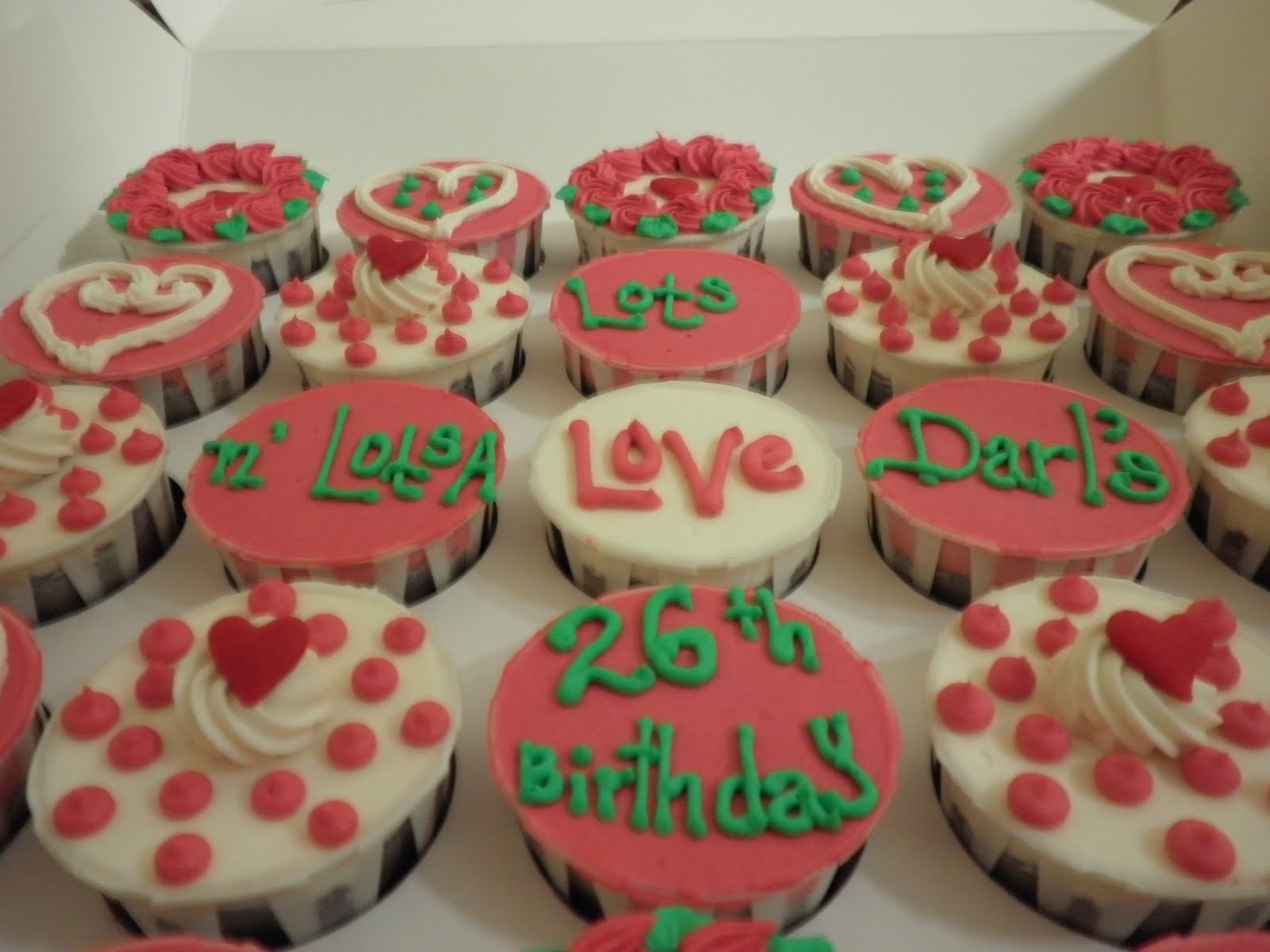
lurve November 27th


backdated updates...tried to make a surprise for lurve but it turns out not-so-surprise...bought him cuppies from babycakes2u.com n thanks to kak lynn...plus more, i just bought him a dinner at Kenny Roger's...less salt, less calorie n less sugar!!!

Happy Birthday Darl, lots n lotsa lurve!!!

Sunday, December 12, 2010

::Rancang Perbelanjaan Anda Untuk Si Kecil::

Sama ada anda baru mendirikan rumah tangga ataupun telah lama berkahwin, kehadiran seorang cahaya mata pastinya sangat mengujakan. Berita tersebut sudah semestinya menggembirakan anda berdua, tetapi pada masa yang sama pelbagai persoalan turut bermain di fikiran. Kehidupan anda yang dahulunya dilalui berdua bakal melalui perubahan yang ketara.

Ketika menanti kehadiran si kecil, kebanyakan pasangan mengabaikan aspek perbelanjaan yang bakal mengiringi cahaya mata mereka. Hal-hal yang dahulunya tidak penting kini mula menjadi keutamaan, contohnya perbelanjaan untuk lampin, susu dan juga simpanan untuk pendidikan tinggi. Sekiranya anda mula membuat bajet dan pelan kewangan keluarga, besar kemungkinan tidak akan wujud banyak masalah berhubung pelbagai keperluan untuk anak yang bakal menyusul kelak.

Di akhir artikel ini, anda akan dapat mengenal pasti langkah-langkah yang perlu diambil untuk merancang kewangan berdasarkan keperluan terkini keluarga dengan mengambil kira kehadiran si kecil nanti.

Langkah-langkah mengurus kewangan keluarga anda

Langkah 1: Ketahui kedudukan kewangan anda

Setiap pasangan ibu bapa pasti setuju bahawa keperluan si kecil mengatasi segala aspek lain. Akan tetapi, jangan abaikan komitmen kewangan yang sedia ada seperti pembiayaan rumah, kereta dan sebagainya kerana ia juga sebahagian daripada tanggungjawab yang perlu dipenuhi. Apabila berbincang tentang perbelanjaan keluarga, anda perlu ingat bahawa perbelanjaan yang akan datang bukan sahaja untuk keperluan bayi seperti baju dan lampin, tetapi juga untuk keperluan ibu sebelum dan selepas bersalin.

Langkah 2: Buat senarai semak

Senarai semak banyak membantu ketika membuat perancangan kewangan. Anda dan pasangan seharusnya menyenaraikan barangan atau perkhidmatan yang anda rasa perlu mengikut kategori, seperti peralatan untuk perjalanan jauh, perabot bayi, perkakas mandian, pemakanan bayi dan lain-lain. Dengan menyenaraikannya mengikut kategori, anda dapat mengenal pasti sekiranya terdapat barang keperluan lain yang masih belum disenaraikan. Jangan lupa untuk memasukkan satu kategori, bagi keperluan kecemasan, contohnya apabila isteri terpaksa menjalani pembedahan bagi melahirkan anak atau lain-lain keperluan perubatan yang mungkin terlibat.

Langkah 3: Buat perbandingan harga barangan

Ketika membeli-belah berdasarkan senarai semak anda, jangan terlalu gopoh dengan terus membeli barang pertama yang anda lihat. Luangkan sedikit masa untuk membandingkan harga jenama-jenama yang berbeza dan pastikan anda mencatat harga barangan tersebut dalam senarai semak anda. Jangan terpengaruh dengan jenama terkenal. Selalunya, anda boleh membeli barang yang sama kualitinya setanding dengan barangan berjenama, tetapi pada harga yang lebih rendah. Di samping itu, jangan malu untuk bertanya kepada jurujual tentang kegunaan barangan-barangan bayi yang dibeli. Kadangkala, barangan yang anda rasa perlu dibeli sebaik sahaja bayi dilahirkan sebenarnya hanya diperlukan apabila bayi anda lebih besar kelak.

Langkah 4: Beli apa yang perlu sahaja

Setelah selesai membandingkan harga dan barangan yang diperlukan, lihat kembali senarai semak anda. Bezakan antara barangan yang betul-betul mustahak untuk menyambut ketibaan bayi dan apa pula barangan yang boleh ditangguhkan pembeliannya pada kemudian hari. Pada masa yang sama, keluarkan senarai barang yang tidak perlu daripada senarai semak dan tandakan barangan yang boleh ditangguhkan (KIV).

Langkah 5: Buat senarai permintaan (wish list)

Selalunya, ahli keluarga dan sahabat handai gemar membelikan hadiah untuk si kecil. Ada kalanya, disebabkan terlalu banyak barangan bayi yang terdapat di pasaran, mereka kurang pasti apa yang harus dibeli dan akhirnya membeli barangan seperti permainan atau lain-lain yang tidak begitu diperlukan. Oleh itu, buatlah satu senarai permintaan (wish list) untuk barangan yang anda mahu, bersama dengan harga dan tempat pembelian. Kemudian, sebarkan senarai tersebut melalui emel, blog-blog ataupun rangkaian-rangkaian sosial yang lain agar sahabat-handai anda boleh menghadiahkan barangan tersebut kepada anda.

Pada peringkat ini, anda mungkin sudah mengetahui cara-cara berhadapan dengan isu-isu kewangan yang bakal dihadapi. Jangan lupa tentang perbelanjaan akan datang yang perlu ditanggung seperti pemeriksaan bulanan bayi, pusat asuhan atau penjagaan bayi. Anda juga sepatutnya mula memikirkan tentang pilihan pelaburan bagi simpanan pendidikan anak anda. Dengan memulakan simpanan pendidikan, anda bukan sahaja menjamin masa depan si kecil, malahan masa depan sendiri juga.